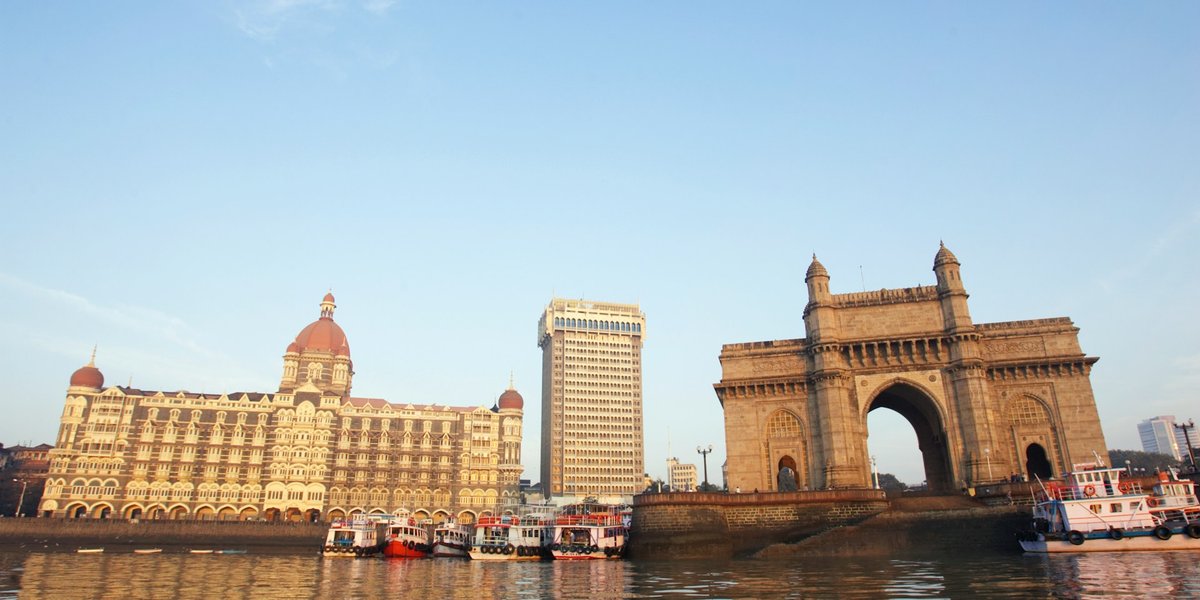
Essential tips for visiting Mumbai: budget planning, currency, SIM cards, monsoon travel, and what first-time visitors need to know about India's maximum city.
Mumbai moves fast and costs more than other Indian cities. Here's how to navigate the Maximum City.
Budget Planning
Daily Costs
| Style |
Accommodation |
Food |
Transport |
Total/Day |
| Budget |
₹1,000-2,000 |
₹500-800 |
₹200-400 |
₹2,500-4,000 |
| Mid-range |
₹4,000-7,000 |
₹1,500-2,500 |
₹500-1,000 |
₹6,000-10,000 |
| Luxury |
₹15,000+ |
₹5,000+ |
₹2,000+ |
₹20,000+ |
Why Mumbai Is Expensive
- Hotel rates 30-50% higher than other cities
- South Mumbai (tourist area) is particularly pricey
- Restaurants in tourist areas charge premium
- Uber/taxi costs add up in this spread-out city
Money-Saving Tips
- Stay in Bandra or Andheri — cheaper than Colaba
- Use local trains — ₹5-20 vs. ₹300+ Uber
- Eat street food — vada pav for ₹20, meal for ₹100
- Free attractions — Marine Drive, Juhu Beach, Bandra Worli Sea Link views
- Avoid Colaba Causeway tourist prices — bargain hard
Money and Currency
Cash
- Currency: Indian Rupee (INR/₹)
- ATMs: Everywhere — HDFC, ICICI, AXIS best
- Withdrawal limits: ₹10,000-20,000 per transaction
- Small notes: Keep ₹10-100 for street food, autos
Cards
- Widely accepted in South Mumbai, restaurants, shops
- Less common at street stalls
- Visa/Mastercard work best
- Inform bank of travel dates
UPI Payments
Google Pay and PhonePe are everywhere — but require Indian bank account. Tourists use cash or cards.
SIM Cards and Internet
Getting a SIM
At airport:
- Jio and Airtel counters in arrivals
- Tourist SIM: ₹500-700 for 28 days, 1.5-2GB daily data
- Bring passport and photo
- Activation: 1-4 hours
In city:
- Any Airtel/Jio store
- Same documents required
Which Provider
Jio: Cheapest, best coverage in Mumbai
Airtel: Reliable, slightly pricier
Monsoon Travel (June-September)
What to Expect
Mumbai's monsoon is intense. Heavy rain, especially July-August. Streets flood. Trains sometimes halt. But it's also atmospheric and fewer tourists.
Pros:
- Dramatic skies, photography opportunities
- Marine Drive in the rain is magical
- Chai weather
- Hotel prices drop
- Fewer tourists
Cons:
- Flooding in low-lying areas
- Transport disruptions
- Some attractions less enjoyable wet
- Mosquitoes increase
Monsoon Survival Tips
- Waterproof everything — bag, phone, documents
- Pack quick-dry clothes — you will get wet
- Umbrella is essential — buy a sturdy one
- Avoid rush hour on rain days — trains overcrowded
- Check weather before going out — heavy rain days are stay-in days
- Stay in South Mumbai — better drainage, less flooding
Best Monsoon Experiences
- Marine Drive during rain (pakoras and chai)
- Watching storms from Sea Link viewpoint
- Colaba cafes waiting out showers
- Fresh seafood at Leopold or Trishna
First-Time Visitor Guide
What to Expect
Mumbai is intense. India's biggest city, fastest pace, most cosmopolitan. You'll experience crushing crowds, colonial architecture, Bollywood glamour, and some of India's best food.
Key differences from other Indian cities:
- More fast-paced and less patience for tourists
- More expensive
- More Western in many ways
- Better infrastructure
- Women generally feel safer
Essential Knowledge
Timing:
- Local trains run 4 AM to 1 AM
- Shops: 10 AM to 9 PM
- Restaurants: lunch 12-3, dinner 7-11
- Colaba never really sleeps
Dress:
- Mumbai is more liberal than other cities
- Western clothes fine everywhere
- Still cover up at temples
- Beach wear only at beaches (obviously)
Common Mistakes
- Underestimating distances — the city is huge
- Not using local trains — they're the only way to move fast
- Spending all time in South Mumbai — miss Bandra, Juhu
- Eating only at tourist restaurants — street food is the point
- Avoiding monsoon entirely — it's a valid experience
Health and Safety
Water
- Don't drink tap water
- Bottled water everywhere
- Ice at good restaurants is usually fine
Food Safety
- Street food is generally safe if busy and fresh
- Mumbai vada pav and pav bhaji are safe classics
- Start cautiously with raw items
- See our food guide for trusted spots
Medical
- Pharmacies everywhere
- Breach Candy and Lilavati are top private hospitals
- Travel insurance strongly recommended
Crime
Mumbai is generally safe. Main risks:
- Pickpockets at train stations, markets
- Taxi overcharging
- Minor scams
See our safety guide for details.
Useful Information
Language
Hindi and Marathi — both work. English widely spoken, especially in South Mumbai and business areas.
Useful phrases:
- "Bhaiya" (addressing men) / "Didi" (women)
- "Kitna?" (how much?)
- "Station kaun sa?" (which station?)
Electricity
- 230V, 50Hz
- Type C, D, and M plugs
- Bring universal adapter
- Power cuts rare in main areas
Tipping
| Service |
Amount |
| Restaurants |
10% if no service charge |
| Hotel porters |
₹50-100 |
| Guides |
₹200-500 |
| Taxi round-up |
Optional |
Emergency Numbers
| Service |
Number |
| Emergency |
112 |
| Police |
100 |
| Tourist helpline |
1363 |
| Ambulance |
108 |
Packing Essentials
Always:
- Comfortable walking shoes
- Light, breathable clothes
- Power adapter
- Small day bag (for crowded trains)
Monsoon (June-September):
- Waterproof bag
- Umbrella (sturdy)
- Quick-dry clothes
- Waterproof phone case
- Extra footwear (will get wet)
Winter (November-February):
- Light layers for evenings
- Mostly warm, but nights can be cool
For detailed planning, see our trip planning guide.
Frequently Asked Questions
How much does a trip to Mumbai cost?
Budget: ₹2,500-4,000/day (0-48) for hostels, street food, and local trains. Mid-range: ₹6,000-10,000/day (2-120) for 3-star hotels and restaurants. Luxury: ₹20,000+/day (40+) for 5-star stays and fine dining. Mumbai is India's most expensive city.
Is Mumbai expensive for tourists?
Yes, relatively. It's India's priciest city — hotels cost 30-50% more than Delhi or Jaipur. But street food is cheap, local trains cost ₹5-20, and many attractions are free or low-cost. Smart budget travellers can manage.
Should I visit Mumbai during monsoon?
It's a unique experience if you're prepared. June-September brings heavy rain, flooding in some areas, but also a magical atmosphere. Marine Drive in the rain, chai weather, fewer crowds. Avoid if you hate wet clothes. Peak monsoon is July-August.
What visa do I need for Mumbai?
Most tourists need an e-Visa. Apply online at indianvisaonline.gov.in at least 4 days before travel. 30-day tourist e-Visa costs 5. Same visa requirements as rest of India — Mumbai is just the entry point.
How much money do I need per day in Mumbai?
Budget travelers need ₹1,500-2,000 (8-24) daily covering dorm stays, street food, and local transport. Mid-range budgets run ₹2,500-3,000 (0-36) for private rooms and restaurant meals.
Where can I find cheap accommodation in Mumbai?
Colaba offers hostels from ₹800-1,200 (0-15) near attractions. Bandra has budget hotels ₹1,500-2,500 (8-30). Backpacker hostels cluster around Fort and Marine Drive areas.
What's the cheapest way to eat in Mumbai?
Street food costs ₹50-150 (/bin/sh.60-1.80) per meal. Local restaurants charge ₹200-400 (.40-4.80) for thalis. Avoid hotel restaurants which cost ₹800-1,500 (0-18) per meal.
What are the best luxury hotels in Mumbai?
The Taj Mahal Palace leads Mumbai's luxury scene at ₹25,000+ (00) per night, followed by The Oberoi at ₹20,000 (40), and St. Regis Mumbai at ₹18,000 (15). All offer butler service, spa facilities, and prime locations.
How much does luxury travel cost in Mumbai?
Expect ₹15,000-30,000 (80-360) daily for luxury accommodations, ₹5,000-8,000 (0-95) for fine dining, and ₹8,000-15,000 (5-180) for private guided tours and experiences.
What luxury experiences are unique to Mumbai?
Private Bollywood studio visits cost ₹25,000 (00), helicopter tours over the city start at ₹12,000 (45), and exclusive heritage walks with historians cost ₹8,000 (5) per person.
Should I exchange money at Mumbai airport or in the city?
City exchange counters like Thomas Cook and UAE Exchange offer better rates than airport counters. Airport rates are typically 2-3% lower, but convenient for immediate needs upon arrival.
How much cash should I carry daily in Mumbai?
Carry ₹2,000-3,000 (4-36) daily for street food, local transport, and small purchases. Most restaurants and shops accept UPI or cards, but cash works everywhere.
Do Mumbai taxis and rickshaws accept digital payments?
Yes, most taxis, Uber, Ola, and many auto-rickshaws accept UPI payments like Google Pay and PhonePe. Traditional black-yellow taxis still prefer cash.
Which SIM card is best for tourists in Mumbai?
Jio and Airtel offer the best coverage and tourist-friendly plans in Mumbai. Both have extensive 4G networks and prepaid plans starting from ₹299 (.60) with good data allowances for visitors.
What documents do I need to buy a SIM card in Mumbai?
You need your original passport, a photocopy of your passport's photo page and Indian visa page, plus a passport-sized photograph. Some stores also require proof of local address like hotel booking confirmation.
Can I get eSIM in Mumbai as a tourist?
Yes, Airtel and Jio offer eSIM services to tourists in Mumbai. Visit their flagship stores at Palladium Mall or Phoenix Mills with your passport and visa documents to activate eSIM on compatible devices.
How long does it take to get an Indian e-Tourist visa?
The e-Tourist visa application typically takes 4-7 business days to process. Apply at least one week before your travel date to account for processing delays or additional documentation requests.
Can I extend my e-Tourist visa while in Mumbai?
No, e-Tourist visas cannot be extended in India. You must exit the country before your visa expires and apply for a new visa if you want to return.
What documents do I need for an Indian visa application?
You need a passport valid for 6 months, recent passport photo, confirmed flight tickets, hotel bookings, and proof of funds. Business visas require invitation letters from Indian companies.
What should I pack for Mumbai monsoon season?
Pack waterproof gear including rain jacket, umbrella, quick-dry clothes, waterproof bags for electronics, and closed-toe shoes with good grip. Avoid leather items and bring extra socks.
Which areas of Mumbai flood during heavy rains?
Low-lying areas like Sion, Kurla, Andheri subway, Santa Cruz, and parts of South Mumbai near Colaba flood regularly. Avoid these areas during heavy rainfall warnings.
Do trains run normally during Mumbai monsoon?
Local trains face frequent delays and cancellations during heavy rains. Suburban lines to Virar, Kasara, and Panvel are most affected. Check real-time updates before traveling.