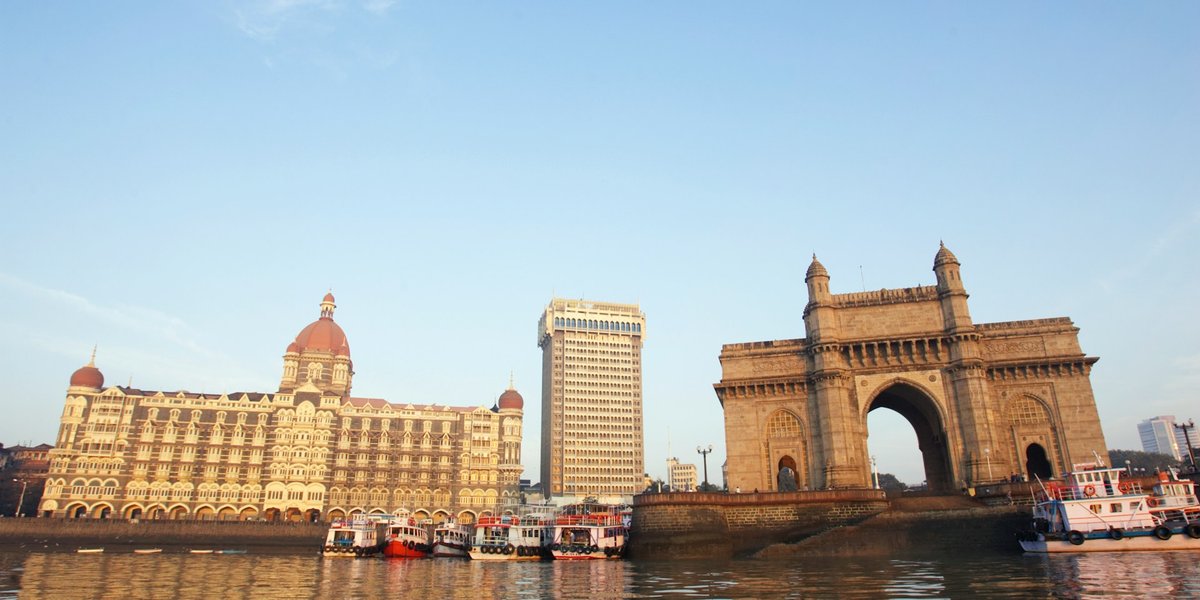
How many days you need in Mumbai, the best time to visit, weather by month, sample itineraries, and what makes Mumbai worth visiting.
Mumbai rewards those who embrace its chaos. Here's how to plan your visit to the Maximum City.
How Many Days in Mumbai?
2 Days (Minimum)
Covers South Mumbai essentials. Rushed but doable.
Day 1: Gateway of India, Colaba, Crawford Market, CSMT, Marine Drive sunset Day 2: Elephanta Caves OR Dharavi tour + Bandra exploration
3 Days (Recommended)
Comfortable pace, proper exploration.
Day 1: South Mumbai heritage — Gateway, Colaba, CST, Fort area Day 2: Elephanta Caves, afternoon in Colaba, Marine Drive sunset Day 3: Bandra, Juhu Beach, street food exploration
4-5 Days (Ideal)
Time for food tours, museums, neighbourhoods.
Day 4: Dharavi tour, Kala Ghoda galleries, fine dining Day 5: Day trip to Alibaug or Matheran, or deeper Bandra/SoBo exploration
Summary
| Days | Experience |
|---|---|
| 1 | Gateway + Marine Drive only |
| 2 | South Mumbai highlights |
| 3 | Complete tourist experience |
| 4-5 | Proper exploration, food scene |
| Week+ | Neighbourhood deep dives, day trips |
Best Time to Visit
October to February: Peak Season
Mumbai's best weather. Warm, dry, comfortable for walking.
November-February: Ideal. 22-32°C, low humidity, clear skies. This is when to come.
October: Monsoon just ended, still humid but rain stopped.
March: Getting warmer. Still good but humidity rising.
April to May: Pre-Monsoon
Hot (30-38°C) and increasingly humid. Uncomfortable for long walks. Sea still accessible.
June to September: Monsoon
Heavy rain, flooding, dramatic skies. A unique experience if you're prepared. See our monsoon guide.
Weather by Month
| Month | Temperature | Conditions | Rating |
|---|---|---|---|
| January | 20-32°C | Perfect, dry | ★★★★★ |
| February | 22-33°C | Great, Kala Ghoda Fest | ★★★★★ |
| March | 24-35°C | Warming, still good | ★★★★ |
| April | 27-35°C | Hot, humid | ★★★☆ |
| May | 28-35°C | Very hot, pre-monsoon | ★★☆☆ |
| June | 27-32°C | Monsoon starts | ★★☆☆ |
| July | 26-30°C | Peak monsoon | ★★☆☆ |
| August | 26-30°C | Heavy rain, Ganesh Chaturthi | ★★★☆ |
| September | 26-31°C | Monsoon ending | ★★★☆ |
| October | 26-34°C | Post-monsoon, humid | ★★★★ |
| November | 24-34°C | Perfect weather | ★★★★★ |
| December | 22-32°C | Best time | ★★★★★ |
Sample Itineraries
2-Day Itinerary
Day 1: South Mumbai Heritage
- 9:00 AM: Gateway of India, Taj Mahal Palace hotel (exterior)
- 10:30 AM: Colaba Causeway walk
- 12:00 PM: Leopold Cafe lunch
- 2:00 PM: Chhatrapati Shivaji Terminus (Victoria Terminus)
- 3:30 PM: Crawford Market
- 5:30 PM: Marine Drive sunset walk
- 8:00 PM: Dinner at Britannia or Trishna
Day 2: Culture + Neighbourhood
- 8:00 AM: Ferry to Elephanta Caves (full morning)
- OR: Dharavi walking tour (morning)
- 2:00 PM: Return, lunch at Colaba
- 4:00 PM: Kala Ghoda art galleries
- 6:00 PM: Juhu Beach sunset
- 8:30 PM: Street food dinner
3-Day Itinerary (Recommended)
Day 1: South Mumbai Same as Day 1 above, but slower pace.
Day 2: Elephanta + More South Mumbai
- Morning: Elephanta Caves (3-4 hours total)
- Afternoon: Horniman Circle, Flora Fountain, Fort area walking
- Evening: Worli Sea Face sunset, dinner
Day 3: Beyond South Mumbai
- Morning: Bandra Bandstand, Mount Mary Church
- Lunch: Bandra eateries (Lucky's, O Pedro)
- Afternoon: Juhu Beach, ISKCON Temple
- Evening: Bandra nightlife or return to Colaba
With More Time
Day 4: Dharavi tour, Kala Ghoda galleries, fine dining evening Day 5: Day trip to Alibaug beach or Matheran hill station
What is Mumbai Famous For?
Bollywood
Hindi film industry headquarters. Studios in Film City (tours available). Stars live in Bandra and Juhu.
Street Food
Vada pav (the ₹20 burger), pav bhaji, bhel puri, dosa, cutting chai. Mumbai's street food culture is unmatched.
Colonial Architecture
Gateway of India, Victoria Terminus (CSMT), Bombay High Court, Elphinstone College. British-era Gothic and Art Deco.
Marine Drive
The "Queen's Necklace" — 3 km curved seafront promenade. Evening walks, sunset views.
Chaos and Energy
India's financial capital, most populous city, and the place where dreams are made. The pace, the crowds, the ambition.
Festivals and Events
Ganesh Chaturthi (August/September)
Mumbai's biggest festival. 10 days of Ganesh idol worship ending in processions to the sea. Millions participate. Lalbaugcha Raja is the most famous pandal. Immersion at Girgaon Chowpatty is spectacular.
Diwali (October/November)
The city lights up. Markets overflow. Less intense than North India but beautiful.
Kala Ghoda Arts Festival (February)
9-day arts festival in the Kala Ghoda heritage district. Street performances, installations, food, music. Free entry.
Navratri/Dandiya (October)
Nine nights of dancing. Clubs and grounds host dandiya nights.
Mumbai Marathon (January)
Major running event. Roads closed, festive atmosphere.
Combining with Other Destinations
Mumbai + Goa (5-7 days)
- 2-3 days Mumbai
- Flight to Goa (1 hour)
- 3-4 days Goa beaches
Mumbai + Rajasthan (8-10 days)
- 2-3 days Mumbai
- Fly to Udaipur or Jaipur
- 5-7 days Rajasthan circuit
Mumbai + Aurangabad/Ajanta-Ellora (4-5 days)
- 2-3 days Mumbai
- Train/flight to Aurangabad
- 1-2 days at cave sites
Western Circuit
Mumbai → Goa → Hampi → back to Mumbai (7-10 days)
What to Pack by Season
Winter (November-February)
- Light clothes (cotton, linen)
- One light jacket for evenings
- Comfortable walking shoes
- Sunglasses
Summer (March-May)
- Lightest possible clothes
- Strong sunscreen
- Hat
- Water bottle
Monsoon (June-September)
- Waterproof bag
- Umbrella
- Quick-dry clothes
- Extra footwear
- Waterproof phone case
For transport details, see our getting around guide.