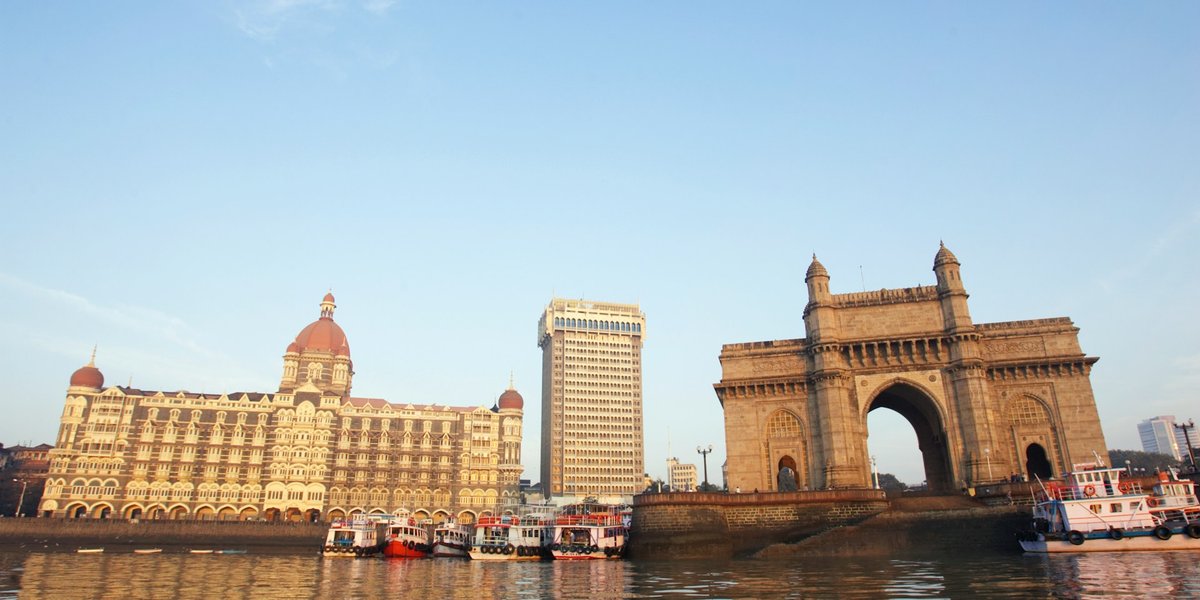
Complete guide to Haji Ali Dargah: tide timings, 500m walkway access, Sufi tomb visit tips, photography rules, and nearby attractions.
Haji Ali Dargah is Mumbai's iconic 15th-century Sufi shrine accessible via a 500-meter walkway only during low tide. The dargah houses the tomb of Saint Pir Haji Ali Shah Bukhari, welcomes all religions, charges no entry fee, and offers spectacular sunset views from Worli seaface.
This Indo-Islamic marvel sits on a tiny islet in Mahim Bay, creating one of Mumbai's most photographed silhouettes. The white marble structure appears to float on water during high tide, earning its reputation as Mumbai's spiritual crown jewel.
Getting There and Access Timings
Take the Mumbai local train to Mahalaxmi Station on the Western Line, then walk 10 minutes to the dargah entrance at Lala Lajpatrai Road. Alternatively, catch BEST buses 83, 85, or 124 that stop near Haji Ali Circle.
The dargah opens daily from 5:30 AM to 10:00 PM, but your visit depends entirely on tide timings. During high tide, seawater covers the narrow causeway, making it impossible to reach the shrine. Low tide typically occurs twice daily - check tide charts online or ask security guards at the entrance for current timings.
Plan your visit 2-3 hours before high tide begins. This gives you enough time to walk to the dargah, spend time inside, and return safely before water levels rise.
The Sacred Walkway Experience
The 500-meter stone causeway stretches across Mahim Bay, flanked by protective railings. During low tide, you'll walk alongside dozens of other pilgrims, street vendors selling flowers and prayer items, and musicians playing traditional Sufi music.
The walk takes 10-15 minutes depending on crowds. Wear comfortable shoes with good grip - the stones can be slippery from sea spray. During monsoon season (June-September), waves crash over the walkway even at low tide, so exercise extra caution.
Street vendors line the walkway selling roses (₹10-20), prayer caps (₹30-50), and sacred threads (₹5-10). You don't need to buy anything, but many visitors purchase flowers as offerings.
Inside the Dargah
The main shrine houses the marble tomb of Pir Haji Ali Shah Bukhari, a 15th-century Sufi saint who gave up worldly possessions for spiritual enlightenment. Legend says his casket floated from Uzbekistan to this exact spot after his death.
The dargah welcomes people of all faiths - Hindu, Muslim, Christian, Parsi, and others come here seeking blessings. Women pray in a separate section adjacent to the main hall, while men can enter the central chamber.
Remove shoes before entering the marble courtyard and store them in designated areas (free of charge). Cover your head if possible, though it's not strictly mandatory. The atmosphere fills with incense, rose petals, and melodious qawwali music, especially during evening prayers around 6:00 PM.
Prayer Times and Special Occasions
Regular prayers occur five times daily, but the evening maghrib prayer creates the most atmospheric experience. Qawwali singers perform Sufi devotional music, creating an otherworldly spiritual ambiance as the sun sets over the Arabian Sea.
Thursday evenings draw larger crowds as it's considered an auspicious day for Sufi shrines. During Urs (the saint's death anniversary) in December, thousands of devotees gather for special celebrations lasting several days.
Ramadan brings unique energy with evening iftar gatherings. The dargah serves free food to visitors during this holy month, continuing the Islamic tradition of hospitality.
Photography Guidelines and Etiquette
Photography inside the main shrine is prohibited to maintain sanctity and respect for worshippers. You can photograph the exterior architecture, the walkway, and panoramic views of Mumbai's skyline from the dargah premises.
Avoid photographing people in prayer and keep your camera away when inside the marble halls. The security is generally relaxed about exterior photos, but always ask permission when in doubt.
The best photo opportunities come from the causeway itself - capture the white dargah against Mumbai's urban backdrop, especially during golden hour before sunset.
Nearby Attractions
Mahalaxmi Temple sits just 500 meters from Haji Ali's entrance, making it easy to visit both spiritual sites in one trip. This Hindu temple dedicated to Goddess Lakshmi draws devotees seeking prosperity and good fortune.
The Mahalaxmi Racecourse lies within walking distance, hosting Mumbai's premier horse racing events during winter months (November-April). Even non-racing days, the grounds offer peaceful walks with views of the dargah.
Worli Sea Face provides excellent vantage points for photographing Haji Ali from across the bay. This waterfront promenade connects to Bandra-Worli Sea Link, one of Mumbai's most famous landmarks.
Practical Tips
Visit during sunset for the most magical experience - the dargah silhouette against orange skies creates unforgettable memories. However, confirm tide timings align with sunset hours, as this varies throughout the year.
Carry minimal belongings as there's limited secure storage. Keep phones and valuables in sealed plastic bags during monsoon visits when waves splash over the walkway.
Free drinking water is available inside the dargah complex. Public toilets are located at the entrance near Lala Lajpatrai Road, not on the island itself.
The area around Haji Ali entrance has numerous restaurants serving excellent Mughlai and Maharashtrian cuisine. Try the street food stalls for bhel puri and vada pav after your spiritual visit.
For first-time visitors to Mumbai, combine your Haji Ali visit with other spiritual and heritage experiences in South Mumbai. The location offers easy access to multiple attractions via Mumbai's extensive transport network.
Frequently Asked Questions
When can you walk to Haji Ali Dargah?
You can only walk to Haji Ali Dargah during low tide when the 500-meter causeway is accessible. Check tide timings online or with locals before visiting, as high tide completely submerges the walkway.
Is there an entry fee for Haji Ali Dargah?
No, there's no entry fee to visit Haji Ali Dargah. The shrine welcomes visitors of all religions free of charge. You only pay for offerings, prasad, or flowers if you choose to purchase them.
Can you take photos inside Haji Ali Dargah?
Photography inside the main shrine is restricted. You can take photos of the exterior architecture and the walkway, but avoid photographing people praying and respect the sacred atmosphere inside.