KOLKATA
Kolkata delivers an authentic Indian experience that other major cities can't match. As Bengal's cultural capital and India's former colonial headquarters, this city of 15 million people offers colonial architecture dating to the 1700s, street food that draws visitors from across India, and warm locals who take pride in their literary and artistic heritage. You'll find everything from 200-year-old heritage buildings to contemporary art galleries, traditional hand-pulled rickshaws alongside modern metros, and some of the country's most passionate food culture.
Top Attractions and Heritage Sites
Victoria Memorial is Kolkata's most recognizable landmark. This white marble monument houses an impressive collection of British-era artifacts, paintings, and sculptures. Entry costs ₹30 ($0.36) for Indians and ₹500 ($6) for foreigners. The surrounding gardens make for excellent evening walks. Take the metro to Maidan station and walk 10 minutes.
Howrah Bridge connects Kolkata to Howrah across the Hooghly River. This cantilever bridge carries over 100,000 vehicles daily and offers spectacular sunrise and sunset views. Walk across early morning (6-7 AM) to avoid crowds and capture the best photos. The nearby Mullik Ghat Flower Market operates from 4 AM onwards.
Dakshineswar Kali Temple draws thousands of devotees daily. This 19th-century temple complex dedicated to Goddess Kali sits on the Hooghly riverbank. Entry is free, but you'll pay ₹20-50 ($0.25-0.60) for offerings. Take the metro to Dakshineswar station. The temple stays open 6 AM to 12:30 PM and 3 PM to 9 PM.
Indian Museum on Chowringhee Road houses rare artifacts spanning 35 galleries. The Egyptian mummy section and Gandhara sculptures are particularly noteworthy. Entry costs ₹20 ($0.25) for Indians and ₹500 ($6) for foreigners. Allow 2-3 hours for your visit.
Our comprehensive heritage sites guide covers 15+ historical attractions with detailed visiting information, opening hours, and insider tips for each location.
Food Scene and Culinary Experiences
Kolkata's food culture runs deeper than any other Indian city. Start your day with kathi rolls from Nizam's Restaurant on New Market (₹80-120 / $1-1.50 each) or hot luchi-alur dom from street vendors (₹40-60 / $0.50-0.75).
Park Street offers upscale dining at institutions like Flury's (famous for rum balls and English breakfast) and Peter Cat (known for Chelo Kebab at ₹450 / $5.50). For authentic Bengali cuisine, head to 6 Ballygunge Place where traditional thalis cost ₹800-1200 ($10-15).
College Street serves the city's best coffee house culture. The Indian Coffee House near Presidency University has been serving intellectuals since 1942. A coffee costs just ₹25-40 ($0.30-0.50).
Sweet shops define Kolkata's identity. KC Das invented the spongy rasgulla, while Balaram Mullick & Radharaman Mullick creates exceptional sandesh varieties. Budget ₹200-400 ($2.50-5) per kg for quality sweets.
Street food hotspots include:
- Vivekananda Park (South Kolkata): Puchka, jhalmuri, churmur
- Gariahat Market: Kathi rolls, cutlets, ghugni
- Shyama Charan Mukherjee Street: Biriyani and kebabs
Join organized food tours to discover hidden local eateries and learn about Bengali culinary traditions from expert guides.
Markets and Shopping Districts
New Market remains Kolkata's premier shopping destination since 1874. This covered market sells everything from leather goods to electronics. Bargain aggressively - start at 30% of the quoted price. The market opens 10 AM to 8 PM except Sundays.
College Street houses Asia's largest second-hand book market. You'll find rare Bengali literature, academic books, and vintage publications. Most books cost ₹50-200 ($0.60-2.50). The area also hosts numerous small publishers and printing presses.
Gariahat Market caters to middle-class Bengali families. This is where locals shop for clothing, household items, and fresh produce. Prices are 40-50% lower than New Market. The fish market section operates early morning (6-10 AM).
Kalighat specializes in religious items, handicrafts, and traditional Bengali clothing. Many items here make excellent souvenirs. Handwoven sarees start from ₹1,500 ($18), while brass artifacts cost ₹300-2,000 ($3.50-24).
Our detailed markets guide provides specific vendor recommendations, bargaining strategies, and quality indicators for different product categories.
Cultural Experiences and Art Scene
Rabindra Sarovar (formerly Dhakuria Lake) offers peaceful morning walks and evening cultural programs. The lake covers 73 acres and features a Japanese Buddhist temple on a small island. Boat rides cost ₹50-100 ($0.60-1.20).
Academy of Fine Arts showcases contemporary Bengali art alongside classical exhibitions. Entry is typically free or ₹20-50 ($0.25-0.60). Check their website for current exhibitions and cultural events.
Nandan Cinema screens Bengali art films, international cinema, and retrospectives. Tickets cost ₹70-150 ($0.85-1.80). This is where you'll experience Kolkata's serious film culture.
Kumortuli (Potter's Quarter) comes alive before Durga Puja when artisans create thousands of clay idols. Visit year-round to watch craftsmen at work. Photography requires permission and small tips (₹50-100 / $0.60-1.20).
Coffee House Culture on College Street and elsewhere represents Kolkata's intellectual tradition. Spend evenings discussing politics, literature, and art with locals over endless cups of coffee.
Parks and Outdoor Spaces
Maidan stretches across 400 hectares in central Kolkata. This massive green space hosts cricket matches, football games, and political rallies. Early morning joggers and evening families make it lively throughout the day.
Eden Gardens cricket stadium sits at Maidan's northern end. Even non-cricket fans appreciate the architecture and atmosphere. Match tickets start from ₹500 ($6) for domestic games.
Central Park in Salt Lake offers modern recreational facilities including boating, cycling tracks, and children's play areas. Entry costs ₹10 ($0.12) and boat rides are ₹80-120 ($1-1.50) for 30 minutes.
Botanical Gardens in Howrah houses the famous 250-year-old Great Banyan Tree. This single tree covers 14,500 square meters. Entry costs ₹15 ($0.18) and it's open 7 AM to 5 PM daily.
Best Time to Visit
October through February provides ideal weather for exploring Kolkata. Temperatures range from 15-28°C (59-82°F) with low humidity and minimal rainfall. This is peak tourist season, so book accommodations early and expect higher prices.
December-January offers the most comfortable conditions but also the highest costs. Hotel rates increase 30-50% during this period.
October-November and February provide excellent weather with moderate pricing. The post-monsoon period (October-November) showcases the city at its greenest.
March-May brings intense heat and humidity. Avoid this period unless you have specific business or family reasons. Air conditioning becomes essential.
Our comprehensive best time to visit guide includes month-by-month weather data, festival calendars, and seasonal pricing information.
Sample Itineraries
3-Day First-Time Visitor Itinerary
Day 1: Colonial Heritage
- Morning: Victoria Memorial and St. Paul's Cathedral
- Afternoon: Indian Museum and Park Street lunch
- Evening: Howrah Bridge sunset and Mullik Ghat Flower Market
Day 2: Culture and Food
- Morning: Dakshineswar Temple
- Afternoon: College Street book market and Coffee House
- Evening: New Market shopping and street food tour
Day 3: Local Life
- Morning: Kumortuli potter's quarter
- Afternoon: Gariahat Market and South Kolkata neighborhoods
- Evening: Rabindra Sarovar and cultural program
5-Day Culture Enthusiast Itinerary
Extend the 3-day plan with:
Day 4: Art and Literature
- Morning: Rabindra Bharati Museum and Jorasanko Thakur Bari
- Afternoon: Academy of Fine Arts and Nandan Cinema
- Evening: Kalighat Temple and traditional dinner
Day 5: Day Trip Options
- Belur Math and Dakshineswar combined visit
- Chandannagar French colonial architecture (1.5 hours by train)
- Mayapur ISKCON temple complex (2 hours by road)
Check our detailed itinerary planning guide for customized suggestions based on your interests and schedule.
Getting Around the City
Kolkata Metro covers major tourist areas efficiently. A smart card costs ₹50 ($0.60) deposit plus travel credit. Single journey tickets range ₹5-15 ($0.06-0.18). The system operates 6:45 AM to 9:45 PM Monday through Saturday and 2:30 PM to 9:45 PM on Sundays.
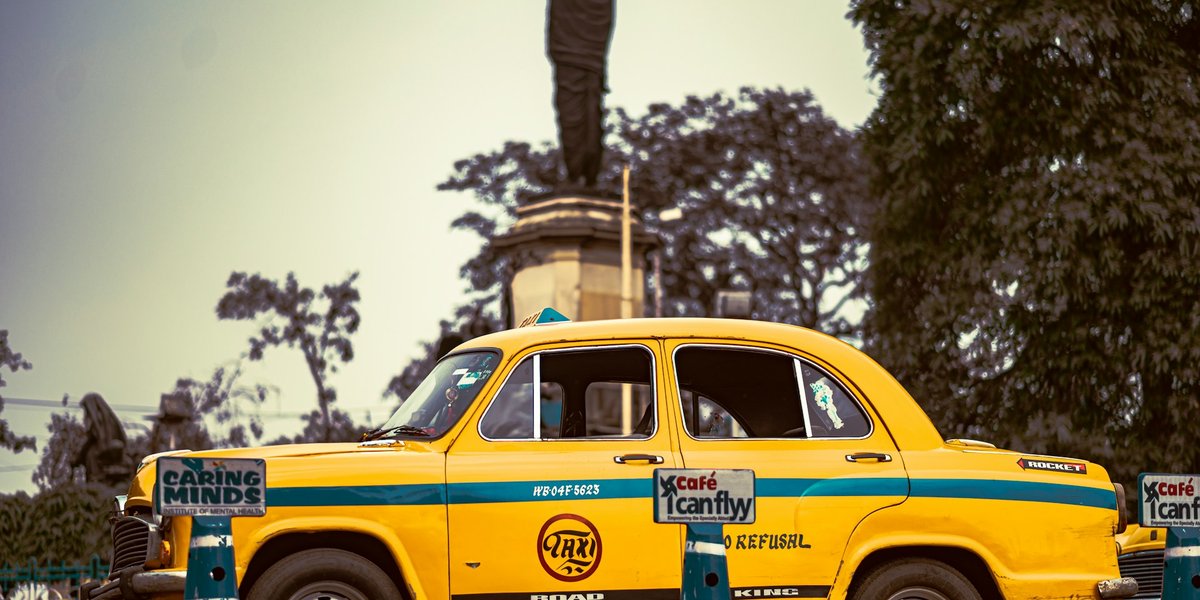
Yellow Taxis use mechanical meters. The base fare is ₹25 ($0.30) for the first 2 km, then ₹12 ($0.15) per km. Always ask drivers to use the meter or negotiate fixed rates for longer distances.
App-based cabs (Uber, Ola) offer transparent pricing and air conditioning. Expect to pay 20-30% more than metered taxis but with added convenience and safety features.
Buses serve every corner of the city but can be crowded and confusing for visitors. State buses cost ₹7-15 ($0.08-0.18) per journey. Private buses are slightly more expensive but more comfortable.
Hand-pulled rickshaws operate in narrow lanes where cars can't go. These are useful in areas like New Market and Burrabazar. Negotiate rates beforehand - expect ₹30-50 ($0.35-0.60) for short distances.
Our comprehensive transport guide includes metro maps, bus route information, and tips for navigating the city efficiently.
Safety and Practical Information
Kolkata ranks as India's safest major city for tourists. Violent crime against visitors is extremely rare, and locals are generally helpful and welcoming. The biggest risks are petty theft, overcharging by vendors, and traffic accidents.
Common safety tips:
- Keep photocopies of important documents separately
- Avoid displaying expensive jewelry or electronics
- Use registered taxis or ride-sharing apps late at night
- Be cautious of overly friendly strangers near tourist areas
- Negotiate prices before purchasing anything
Emergency numbers:
- Police: 100
- Fire: 101
- Ambulance: 108
- Tourist Helpline: 1363
Medical facilities: AMRI Hospital (Salt Lake), Apollo Gleneagles (EM Bypass), and Belle Vue Clinic (AJC Bose Road) offer international-standard healthcare. Keep travel insurance documents handy.
Read our detailed safety guide for specific precautions, common scams to avoid, and emergency contact information.
Where to Stay
Park Street area puts you near restaurants, bars, and the metro. Budget hotels start from ₹1,500 ($18) while luxury options cost ₹8,000-15,000 ($95-180).
Sudder Street offers backpacker-friendly accommodations from ₹800-2,000 ($10-24). This area has been hosting budget travelers for decades.
Salt Lake provides modern hotels and serviced apartments popular with business travelers. Expect to pay ₹3,000-8,000 ($35-95) for quality options.
South Kolkata (Ballygunge, Gariahat) offers residential atmosphere with good restaurant access. Mid-range hotels cost ₹2,500-6,000 ($30-72).
Our comprehensive accommodation guide breaks down each neighborhood with specific hotel recommendations, transport links, and local amenities.
Money and Banking
ATMs are widespread throughout the city. Most accept international cards and dispense ₹100, ₹500, and ₹2000 notes. Withdrawal limits typically range ₹10,000-25,000 ($120-300) per transaction.
Currency exchange is available at authorized dealers on Park Street, New Market, and near major hotels. Banks offer better rates but require more paperwork. Avoid street-side money changers.
Digital payments are increasingly accepted. Most restaurants, shops, and taxis accept UPI payments, Paytm, and card payments. Keep cash for street food, local transport, and small vendors.
Tipping guidelines:
- Restaurants: 10% of bill amount
- Taxis: Round up to nearest ₹10-20
- Hotel staff: ₹50-100 per service
- Tour guides: ₹200-500 per day
Language and Communication
Bengali is the primary language, but English is widely understood in tourist areas, hotels, and restaurants. Hindi also works with many vendors and taxi drivers.
Useful Bengali phrases:
- Hello: Namaskar
- Thank you: Dhonnobad
- How much?: Koto taka?
- Where is?: Kothay?
- Very good: Khub bhalo
Internet connectivity is excellent throughout Kolkata. Most hotels, restaurants, and cafes offer free WiFi. Local SIM cards cost ₹200-500 ($2.50-6) for tourist plans with data and calling.
Essential Travel Tips
Monsoon considerations: June through September brings heavy rainfall. Carry umbrellas and waterproof bags. Some streets flood during heavy downpours.
Festival times: Durga Puja (September-October) transforms the entire city but also causes major traffic disruptions and accommodation shortages. Book well in advance during this period.
Dress code: Kolkata is relatively liberal, but modest clothing is appreciated, especially when visiting temples. Cotton clothing works best in the humid climate.
Bargaining: Expected in markets, with street vendors, and for taxi rides. Start negotiations at 30-40% of the initial quote. Fixed-price shops display "Fixed Price" signs clearly.
Power cuts: Occasional power outages occur, especially during summer. Most hotels have backup generators, but carry a portable phone charger.
For comprehensive practical advice, check our detailed travel tips guide covering everything from packing suggestions to cultural etiquette.
Day Trips from Kolkata
Shantiniketan (2.5 hours by train) houses Rabindranath Tagore's university and rural Bengal cultural experiences. The train journey costs ₹200-400 ($2.50-5).
Sundarbans (3-4 hours) offers mangrove forests and Royal Bengal Tiger spotting opportunities. Full-day tours cost ₹3,000-5,000 ($35-60) including transport and meals.
Bishnupur (4 hours) features terracotta temples and traditional handicrafts. This makes an excellent cultural day trip for architecture enthusiasts.
Mayapur (2 hours) is ISKCON's world headquarters with impressive temple complexes and spiritual programs.
Understanding Kolkata's Cultural Significance
Kolkata produced three Nobel Prize winners: Rabindranath Tagore (Literature), CV Raman (Physics), and Mother Teresa (Peace). The city's intellectual tradition continues through its universities, publishing houses, and cultural institutions.
Literary heritage runs deep here. The city hosts the Kolkata Book Fair annually, attracting over 2 million visitors. College Street's book market and numerous literary magazines keep Bengali literature alive.
Cinema culture began in Kolkata with Satyajit Ray and continues through contemporary directors. The city's film festivals and art cinemas maintain this tradition.
Political awareness shapes daily conversations. Don't be surprised if taxi drivers, tea vendors, or fellow diners engage you in discussions about politics, economics, or social issues.
Learn more about the city's unique character in our guide covering what Kolkata is famous for, including detailed sections on literature, cinema, and cultural contributions.
Frequently Asked Questions
What is Kolkata most famous for?
Kolkata is renowned as India's cultural capital, famous for its literary heritage, Durga Puja festivals, colonial architecture, street food scene, and being the birthplace of modern Indian art and cinema. The city produced Nobel laureate Rabindranath Tagore and remains Bengal's intellectual hub.
Is Kolkata safe for tourists?
Yes, Kolkata is considered India's safest major city with very low crime rates against tourists. The locals are helpful and welcoming. Standard precautions like avoiding isolated areas at night and keeping valuables secure are sufficient for a safe visit.
How many days do you need in Kolkata?
Plan 3-4 days minimum to cover major attractions like Victoria Memorial, Howrah Bridge, and key markets. Food enthusiasts and culture lovers should allocate 5-7 days to fully explore the heritage sites, take cooking classes, and experience the local neighborhoods properly.
Essential Travel Info for Kolkata
- Bishnupur Temples entry fee: ₹20 (Indian), ₹250 (Foreign) — 2026 ASI rates
- Best time to visit Kolkata: January, February, March, November, December (25–33°C daytime, minimal rainfall). These months offer comfortable temperatures and dry weather for sightseeing. Based on 10-year weather averages (2016–2025).
- India travel advisory (March 2026): all four major Western governments (UK, US, Canada, Australia) rate India at Level 2 of 4 — "exercise increased caution". This is the same level as Turkey, Mexico, and Egypt, countries that receive millions of tourists annually.
- India road safety: India has one of the world’s highest road accident death rates. All four governments warn against night driving. Hire a local driver rather than self-driving — traffic rules are loosely followed, vehicles often drive without lights at night, and livestock wanders onto roads.
Experiences in Kolkata
Explore curated tours and activities
Travel Guides for Kolkata
Answers to common questions about visiting Kolkata
DISCOVER MORE OF KOLKATA
Explore our curated guides and hidden gems
BROWSE GUIDES