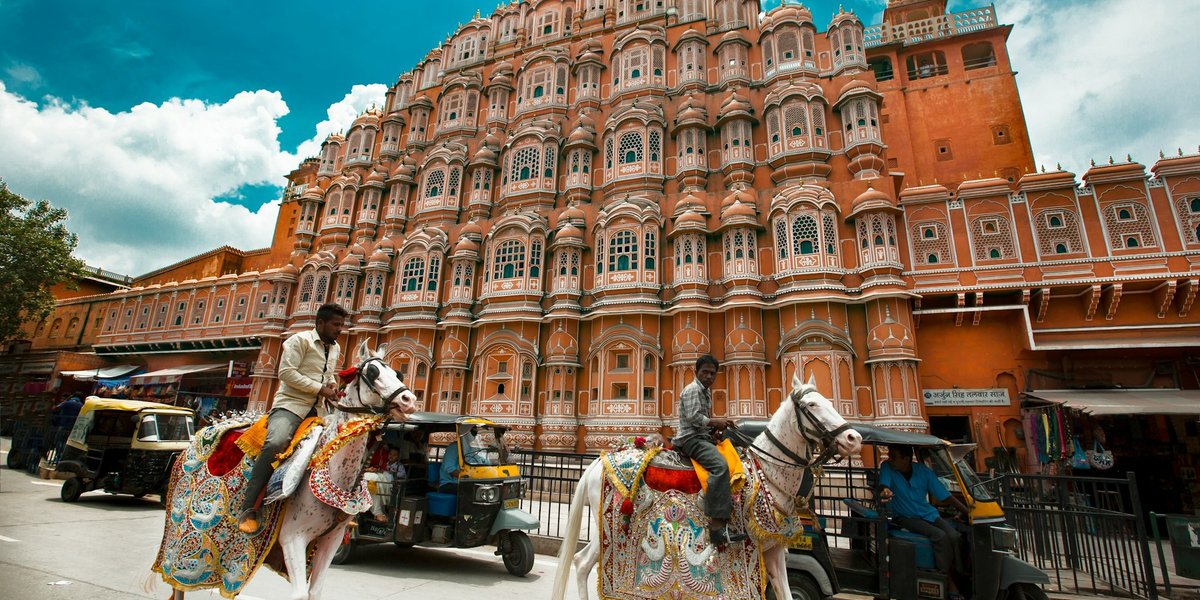
Govind Dev Ji Temple in Jaipur's City Palace complex offers special darshan at 4:30 AM, 12 PM & 5:30 PM with royal family connections.
Govind Dev Ji Temple is a Krishna temple located within Jaipur's City Palace complex, famous for its three daily darshan timings at 4:30 AM, 12 PM, and 5:30 PM, and its deep connections to the Jaipur royal family.
This temple stands as one of Jaipur's most significant spiritual destinations, drawing thousands of devotees daily who come to worship Lord Krishna. Unlike typical temples, Govind Dev Ji operates on a strict schedule that reflects its royal patronage and traditional worship practices.
Location and Access Within City Palace
Govind Dev Ji Temple sits inside the City Palace complex in the heart of Jaipur's walled city. You'll find the temple entrance through the main City Palace gates on Jaleb Chowk. The temple occupies a prominent position within the palace grounds, making it easily accessible to visitors exploring the royal complex.
Entry to the temple is free, though you'll need to pay the City Palace entry fee of ₹200 ($2.40) for Indians and ₹500 ($6) for foreign tourists if you're visiting other palace sections. The temple has separate entry points during aarti times to manage the large crowds.
Special Darshan Timings and Aarti Schedule
The temple follows three main darshan timings that have remained unchanged for centuries:
Mangla Aarti begins at 4:30 AM and runs until 6:00 AM. This early morning session attracts serious devotees who wake before dawn to participate. The atmosphere during Mangla Aarti is particularly serene, with fewer crowds and intensive devotional singing.
Rajbhog Aarti takes place from 12:00 PM to 1:00 PM. This midday session is popular with tourists and local office workers who visit during lunch breaks. The temple offers special prasad distribution during this time.
Sandhya Aarti runs from 5:30 PM to 7:00 PM. This evening session draws the largest crowds, especially on weekends and festival days. The aarti during sunset creates a spiritually charged environment.
Outside these specific timings, the temple remains closed to devotees. This schedule reflects the traditional belief that Lord Krishna rests between these periods.
Royal Family Connections and History
Maharaja Sawai Jai Singh II established this temple in 1735 when he founded Jaipur city. The deity of Govind Dev Ji originally resided in Vrindavan but was moved to Jaipur for protection during Mughal invasions. The royal family's connection to Jaipur's religious sites continues today, with current family members still participating in major temple ceremonies.
The temple architecture reflects royal Rajput style, with intricate marble work and traditional Hindu temple design elements. The sanctum sanctorum houses the main Krishna deity, along with Radha and other associated deities arranged in traditional positions.
The Jaipur Maharaja traditionally held the title of the temple's primary patron, a role that involved funding major festivals, maintenance, and daily operations. This royal patronage explains the temple's prime location within the palace complex and its continued excellent maintenance.
Aarti Participation and Experience
Participating in the aarti at Govind Dev Ji requires following specific protocols. Arrive at least 30 minutes before the scheduled timing to secure a good position, as the temple fills up quickly. During peak seasons and festivals, crowds can number in the thousands.
The aarti involves traditional bhajan singing, with professional musicians leading the devotional songs. You'll hear classical ragas and popular Krishna bhajans performed with tabla, harmonium, and other traditional instruments. The musical performances often extend beyond the formal aarti timing.
Devotees typically bring flowers, especially marigolds and roses, to offer during darshan. You can purchase these from vendors outside the City Palace gates at prices ranging from ₹20-50 ($0.25-0.60) per garland.
Prasad Distribution and Temple Offerings
The temple distributes prasad after each aarti session. The prasad typically consists of sweetened rice, fruits, and traditional sweets prepared in the temple kitchen. Distribution happens in an organized manner, with temple staff managing the queues.
Special prasad is available during festivals, particularly during Janmashtami, Holi, and Diwali. During these occasions, the temple prepares elaborate food offerings that reflect royal kitchen traditions.
You can make donations at designated counters within the temple complex. Common offerings include money, flowers, and food items. The temple also accepts donations for specific purposes like lighting arrangements and festival celebrations.
Photography Restrictions and Guidelines
Photography inside the sanctum sanctorum is strictly prohibited. Temple authorities enforce this rule consistently, and you'll need to keep cameras and phones away during darshan. Security personnel monitor the area and will ask you to stop if you attempt to photograph the main deity.
You can take photographs in the outer courtyard areas and the temple's exterior architecture. The carved pillars, traditional artwork, and overall temple structure make for interesting shots from permitted areas.
Video recording follows the same restrictions as photography. The temple allows photography of the general surroundings but maintains strict rules about the sacred areas.
Planning Your Visit
Getting around Jaipur to reach Govind Dev Ji Temple is straightforward, as the City Palace sits in the old city center. Auto-rickshaws charge ₹100-150 ($1.20-1.80) from major hotels, while city buses connect to nearby stops.
The best time to visit Jaipur for comfortable temple visits is October through March, when morning and evening temperatures are pleasant for outdoor activities. Summer months can make the 4:30 AM darshan particularly appealing to avoid daytime heat.
If you're staying in Jaipur for multiple days, consider attending different aarti sessions to experience varying atmospheres. Many visitors find the early morning session most spiritually fulfilling, while the evening aarti offers the most cultural immersion with larger crowds and extended musical performances.
Frequently Asked Questions
What are the darshan timings at Govind Dev Ji Temple?
Govind Dev Ji Temple has three main darshan timings: Mangla Aarti at 4:30 AM, Rajbhog Aarti at 12:00 PM, and Sandhya Aarti at 5:30 PM. These timings remain consistent throughout the year.
Can you take photos inside Govind Dev Ji Temple?
Photography is completely prohibited inside the sanctum sanctorum of Govind Dev Ji Temple. You can take photos in the outer courtyard areas, but cameras and phones must be kept away during darshan.
How is the royal family connected to this Krishna temple?
The Jaipur royal family built Govind Dev Ji Temple and continues to patronize it. The deity was originally from Vrindavan and was brought to Jaipur by Maharaja Sawai Jai Singh II for protection.