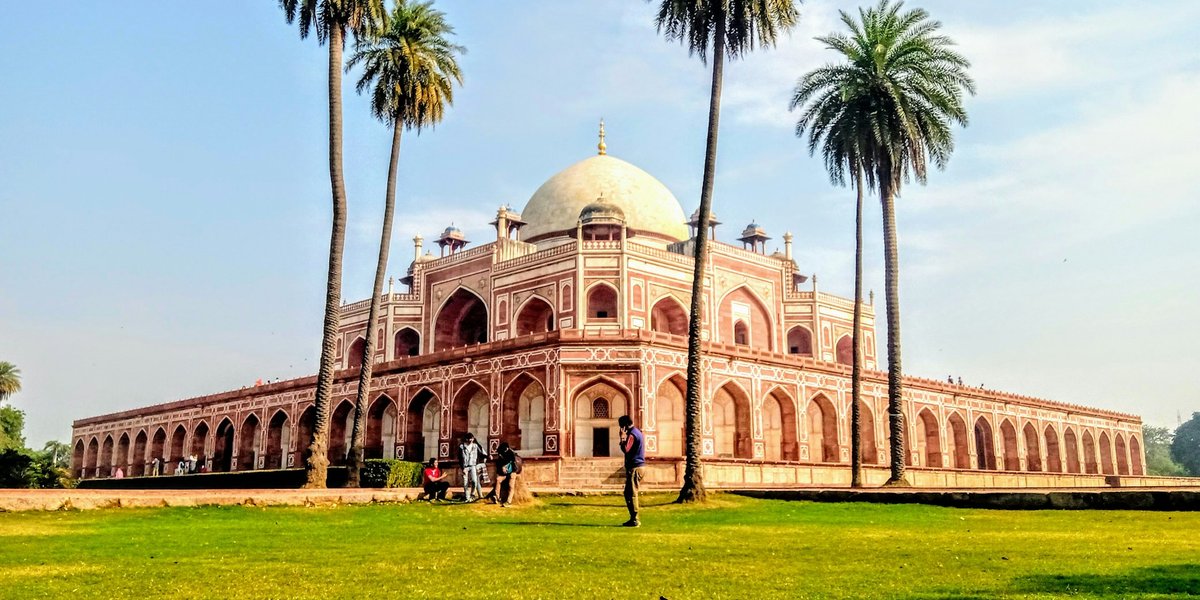
Red Fort, Jama Masjid, Paranthe Wali Gali, spice markets, and cycle rickshaws — here's everything to do in Old Delhi and Chandni Chowk.
Old Delhi is the original city — a 17th-century Mughal capital where 400-year-old lanes are still packed with traders, food stalls, and architecture that predates most modern nations. Chandni Chowk, the main artery, was designed by Emperor Shah Jahan's daughter and once had a canal running down its centre reflecting moonlight (that's where the name comes from). Today, the canal is long gone, but the energy hasn't faded.
This is Delhi at its most intense. If you've never been to India, Old Delhi will be a sensory overload in the best and most challenging way. Here's how to spend your time.
Red Fort (Lal Qila)
The massive red sandstone walls of the Mughal emperor's palace dominate the eastern edge of Old Delhi. Built between 1638 and 1648, Red Fort is a UNESCO World Heritage Site and the place where India's Prime Minister raises the national flag every Independence Day.
Entry fee: ₹35 for Indian nationals, ₹500 (~$6) for foreign visitors. The light-and-sound show in the evening costs ₹80.
What to see inside: The Diwan-i-Aam (Hall of Public Audience), Diwan-i-Khas (Hall of Private Audience), the marble Royal Baths (Hammam), and the Nahr-i-Behisht — the remains of a water channel that once ran through the entire palace. The museum inside Mumtaz Mahal showcases Mughal-era textiles and weapons.
Time needed: 1.5-2 hours. The fort is large and spread out. Morning visits (opening at 9:30 AM) are best — it gets hot and crowded by noon. It's closed on Mondays.
Jama Masjid
India's largest mosque sits just south of Chandni Chowk and can hold 25,000 worshippers. Built by Shah Jahan in 1656, its courtyard offers one of the best views of Old Delhi when you climb the southern minaret (₹300 for foreign visitors, shoes off, modest dress required).
Entry: Free to the courtyard. Camera fee ₹300. The minaret climb is ₹300. Non-Muslims cannot enter during prayer times — check the schedule at the gate.
Tips: Remove your shoes at the entrance. Women will be asked to cover their heads, and free scarves are available at the gate. Dress modestly — knees and shoulders should be covered. The minaret climb is via a very narrow spiral staircase; avoid it if you're claustrophobic.
Paranthe Wali Gali
This narrow alley off Chandni Chowk has been serving stuffed parathas since the 1870s. The shops are small — three or four at most are the original ones — and the parathas come stuffed with everything from paneer and mint to rabri (sweet condensed milk).
A plate of 2-3 parathas with chutneys and a glass of lassi runs about ₹150-250 (~$2-3). The food is heavy, oily, and exactly what it should be. Visit during the late morning (10-11 AM) before the lunch rush. For a deeper dive into the food scene, check our Old Delhi food guide and food tours.
Khari Baoli — Asia's Largest Spice Market
Walk west from the Fatehpuri Mosque end of Chandni Chowk and you hit Khari Baoli, a 400-year-old wholesale spice market. The air here is thick with turmeric, chilli, cumin, and dried ginger. Your eyes will water. Your nose will run. It's incredible.
The market is wholesale-focused, but individual buyers can pick up small quantities of spices, dried fruits, herbs, and nuts at prices far below retail. A 250g bag of Kashmiri saffron costs ₹300-500 here versus ₹800+ in tourist shops. Arrive before 11 AM when the market is active but not yet at peak chaos.
Cycle Rickshaw Ride
The lanes of Old Delhi are too narrow for cars, which is why cycle rickshaws are still the primary transport. A 30-40 minute ride through the bazaars — weaving between pedestrians, hand-carts, and other rickshaws — costs ₹100-200 and gives you a view of the neighbourhood impossible to get on foot.
Agree on the price before you sit down. Drivers will quote inflated rates to tourists. ₹150 for a 30-minute ride is fair. Starting from Red Fort and ending at the Jama Masjid covers the best stretch. You can also book this through a heritage walk that includes a guide.
Bazaar Exploration
Old Delhi's bazaars are organised by trade, a system dating back to the Mughal era. Each lane specialises:
- Dariba Kalan — jewellery (silver and gold), one of India's oldest jewellery markets
- Kinari Bazaar — wedding accessories, sequins, ribbons, and decorative materials
- Nai Sarak — books and stationery at wholesale prices
- Ballimaran — shoes and leather goods, including the famous Punjabi jutis
- Chawri Bazaar — paper and brass items
Don't go looking for everything at once. Pick two or three lanes that interest you and explore those. The best markets guide on our site covers Delhi's top bazaars in more detail.
How to Get There
Chandni Chowk metro station (Yellow Line) drops you right at the main road. From Rajiv Chowk (Connaught Place), it's just three stops — about 8 minutes. Exit from Gate 3 for direct access to the main Chandni Chowk road.
If you're coming by taxi or Uber, get dropped at the Red Fort roundabout. Traffic inside Old Delhi is brutal, so don't attempt to drive into the lanes. The metro is faster and less stressful.
Best Times to Visit
Morning (8-11 AM): Best for Red Fort and Jama Masjid before crowds arrive. Markets start opening around 10 AM.
Late morning to early afternoon (11 AM-2 PM): Peak market activity. Best for bazaar exploration and street food, but also the most crowded.
Avoid Sundays and Mondays. Many shops in Chandni Chowk close on Sundays. Red Fort is closed on Mondays. Tuesday through Saturday is your best bet.
Season matters. Summer (April-June) makes walking the shadeless lanes genuinely difficult in afternoon heat. The Delhi weather guide has month-by-month details. October to March is the comfortable window.
Safety Tips
Old Delhi is safe during daytime hours but requires common sense. Keep valuables in front pockets — the crowds are dense enough that you won't notice a hand in your back pocket. Watch your step; the lanes have uneven surfaces, open drains in places, and the occasional motorcycle coming through with no warning.
Stay on main commercial lanes. The back alleys of Old Delhi are residential and not meant for wandering tourists — you won't find anything interesting, and you'll make residents uncomfortable.
After 8 PM, most of Chandni Chowk shuts down. Don't wander the lanes after dark. If you want the evening experience, book a guided heritage walk that includes a night food tour — they stick to well-known spots near Jama Masjid where kebab shops stay open late.
For general safety advice, read our full guide on whether Delhi is safe for tourists.
How Much Time Do You Need in Old Delhi?
Plan for 4-6 hours to see the highlights — Red Fort (1.5 hours), Jama Masjid (45 minutes), Paranthe Wali Gali and street food stops (1 hour), and a walk through the spice market and Chandni Chowk bazaars (1-2 hours). If you add a cycle rickshaw ride and Gurudwara Sis Ganj, budget a full day. Starting early at 9 AM gives you the best experience before the crowds and heat build up.
Is Chandni Chowk Safe for Tourists?
Yes, Chandni Chowk is safe during the day. The lanes are packed with shoppers and vendors, and the sheer density of people means petty crime is rare. Keep your phone and wallet in a front pocket, watch for pickpockets in tight crowds near Jama Masjid, and avoid the narrow back alleys after 8 PM when shops close and the streets empty out. Women should stay on main commercial lanes and avoid isolated alleys.