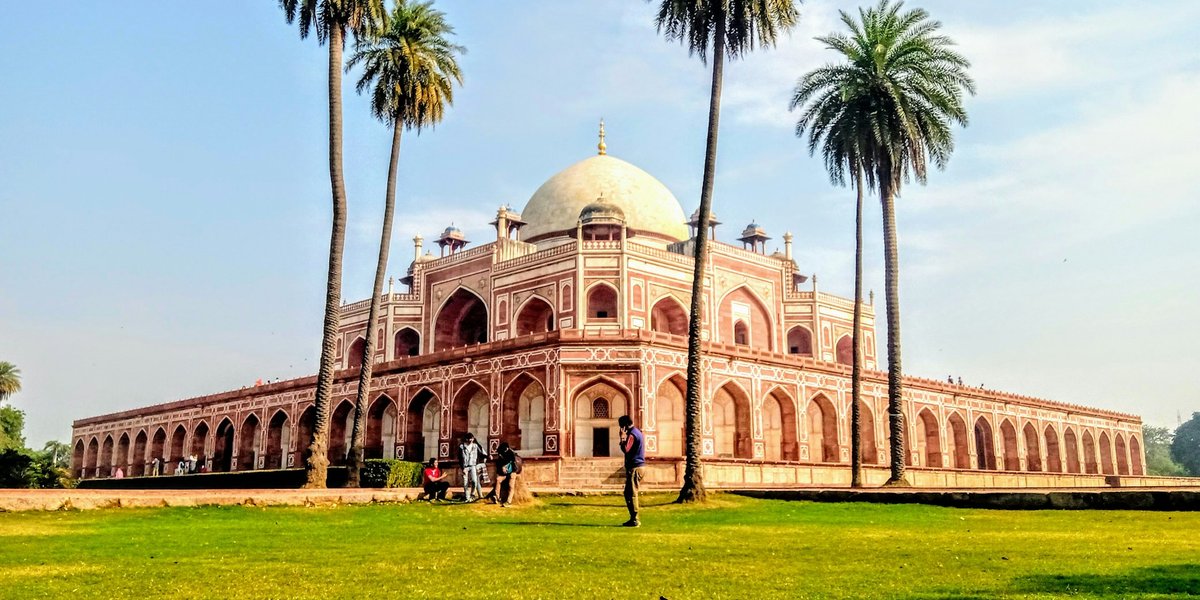
Delhi is generally safe for tourists. Petty theft and scams are the main risks, not violent crime. Practical safety tips inside.
Delhi is generally safe for tourists, with petty scams and overcharging being the main risks rather than violent crime. Millions of international visitors come through every year without incident. Basic street awareness and a few specific precautions go a long way.
The headlines about Delhi can make it sound dangerous, but the reality for tourists in central and South Delhi is very different from the crime statistics that get reported. Most issues travellers face are annoyances — being overcharged for an auto-rickshaw, encountering an aggressive tout — not genuine safety threats.
The Actual Risks
Scams
Scams are Delhi's number one tourist nuisance. They're not dangerous, but they're persistent. The most common ones:
The "your hotel is closed" scam. Taxi or auto drivers from the airport or train station tell you your hotel has closed, burned down, or is "very bad." They offer to take you to a "better" hotel where they earn a commission. Your hotel is fine. Insist on going to your booked accommodation, or better yet, book an Uber or Ola from the app.
Fake tourist information offices. Near New Delhi Railway Station and Connaught Place, you'll find shops with official-looking signs saying "Tourist Information" or "Government Approved." These are private travel agencies that will sell you overpriced tours and train tickets. The real Delhi Tourism office is at 88 Janpath, and the official railway booking office is inside the station on the first floor.
Overly friendly strangers at monuments. If someone approaches you near Red Fort or India Gate offering to be your guide, show you a special shop, or take your photo, they usually expect payment or will steer you toward a commission-earning store. Politely decline and keep walking.
For a detailed breakdown with specific countermeasures, read our scam avoidance guide.
Pickpocketing
Crowded places carry standard pickpocketing risk. Chandni Chowk, the metro during rush hour (8-10 AM and 5-7 PM), and Sarojini Nagar market are the most common spots. Keep your phone in a front pocket, use a cross-body bag, and don't carry large amounts of cash.
Traffic
Delhi's traffic is chaotic. Crossing major roads requires confidence and timing — vehicles don't always stop for pedestrians even at crosswalks. Use pedestrian underpasses and overpasses where available. When crossing, walk at a steady pace and make eye contact with drivers. Don't run.
What's Actually Safe
The Delhi Metro
The metro is one of the safest and most orderly public spaces in Delhi. Stations have security screening (bag X-ray and metal detectors at entry), CCTV throughout, and regular police presence. Trains run every 3-5 minutes on major lines, and the system is clean and well-maintained.
Women's carriages are available at the front of every train — marked in pink. These are enforced and provide additional comfort for solo female travellers. Read more in our guide for solo female travellers in Delhi.
Major Tourist Areas
The areas where tourists spend most of their time are well-policed:
- Connaught Place: Heavy police presence, well-lit, busy until late
- Khan Market: Upscale, safe, popular with diplomats and expats
- India Gate and Kartavya Path: Open area with security due to government buildings
- Lodhi Gardens: Gated park with guards, closes at sunset
- Hauz Khas Village: Busy restaurant and cafe district, safe after dark
- Paharganj (backpacker area near New Delhi station): Looks chaotic but is generally safe; petty theft is the main concern
Uber and Ola
App-based ride services transformed transport safety in Delhi. Rides are tracked, the driver's details are recorded, and you can share your trip status with contacts. Use Uber or Ola instead of street auto-rickshaws, especially at night or from the airport.
Uber Auto (auto-rickshaw via the app) gives you the experience of riding in an auto with the safety of tracked, metered pricing. Typical rides within central Delhi cost ₹80-200 ($1-2.40).
Neighbourhood Safety Guide
Very Safe (day and night): Connaught Place inner circle, Khan Market, Lodhi Colony, Defence Colony, Greater Kailash, Vasant Vihar, Golf Links
Safe (daytime, use caution at night): Old Delhi/Chandni Chowk, Karol Bagh, Lajpat Nagar, Saket, Hauz Khas
Exercise caution: Paharganj (safe but chaotic — watch belongings), areas around major railway stations at night, isolated stretches of the Yamuna riverbank
Avoid at night: Unlit parks, construction zones, empty government office areas after hours, and any area that feels deserted
Practical Safety Tips
Save emergency numbers in your phone. Police: 100. Ambulance: 102. Women's helpline: 1091. Tourist police helpline: 1363.
Use Google Maps or Delhi Metro Rail app for navigation. Asking strangers for directions sometimes leads to the scam scenarios described above.
Carry a photocopy of your passport. Keep the original locked in your hotel safe. A photo on your phone works too.
Book airport transfers in advance. Either through your hotel, a pre-paid taxi booth inside the terminal, or Uber/Ola. The pre-paid taxi booths at IGI Airport Terminal 3 (domestic and international) give you a fixed-rate receipt before you get in the car.
Drink bottled water. Tap water in Delhi is not safe. Restaurants in tourist areas serve filtered water, but check that bottled water seals are intact. Read our Delhi transport guide for more on moving safely through the city.
Don't flash expensive electronics in crowded areas. Use your phone discreetly in markets and on public transport.
Trust your instincts. If a situation feels off — a too-good-to-be-true offer, an overly insistent stranger, a taxi driver taking an unexpected route — extract yourself. Delhi is a city of 20 million people. The vast majority are going about their day, not targeting tourists.
Is Delhi Safer Than Its Reputation?
Yes, significantly. Delhi's media coverage focuses on worst-case incidents, which creates a distorted picture. The tourist zones, major monuments, shopping districts, and the metro system are well-managed and safe. Travellers who use common sense — the same caution you'd apply in any large city — have an excellent experience.
For specific nighttime advice, read our guide on Delhi safety at night.
What Are the Biggest Safety Risks for Tourists in Delhi?
Petty scams and overcharging are the primary risks. Common scams include taxi drivers claiming your hotel is closed, fake tourist offices near New Delhi Railway Station, and overly friendly strangers near monuments offering unsolicited tours. Violent crime against tourists is rare. Pickpocketing can happen in crowded markets like Chandni Chowk and on packed metro trains during rush hour.
Is It Safe to Walk Around Delhi at Night?
Well-lit, busy areas like Connaught Place, Khan Market, and Hauz Khas Village are generally safe after dark. Avoid poorly lit streets, construction zones, and empty areas at night. Use Uber or Ola for late-night transport rather than auto-rickshaws or street taxis. The Delhi Metro runs until 11 PM and is safe to use at all hours it operates.
Is Delhi Safe Compared to Other Major Cities?
Delhi's crime rate is comparable to other large Asian cities. Tourists face far less risk than the statistics suggest because most crime occurs in residential outskirts, not tourist areas. Central Delhi, South Delhi, and the major monument areas are well-policed. The metro is one of the safest public transit systems in Asia with CCTV coverage and dedicated women's carriages.